Mosquito Grizzly Bear’s Head Lean Man First Nation Accelerates $100 Million Casino Resort Vision Along Saskatchewan’s Highway 16
Written by Carlo Hughes · Apr 17, 2026

Mosquito Grizzly Bear’s Head Lean Man First Nation Accelerates $100 Million Casino Resort Vision Along Saskatchewan’s Highway 16
The Project Takes Center Stage in North Battleford
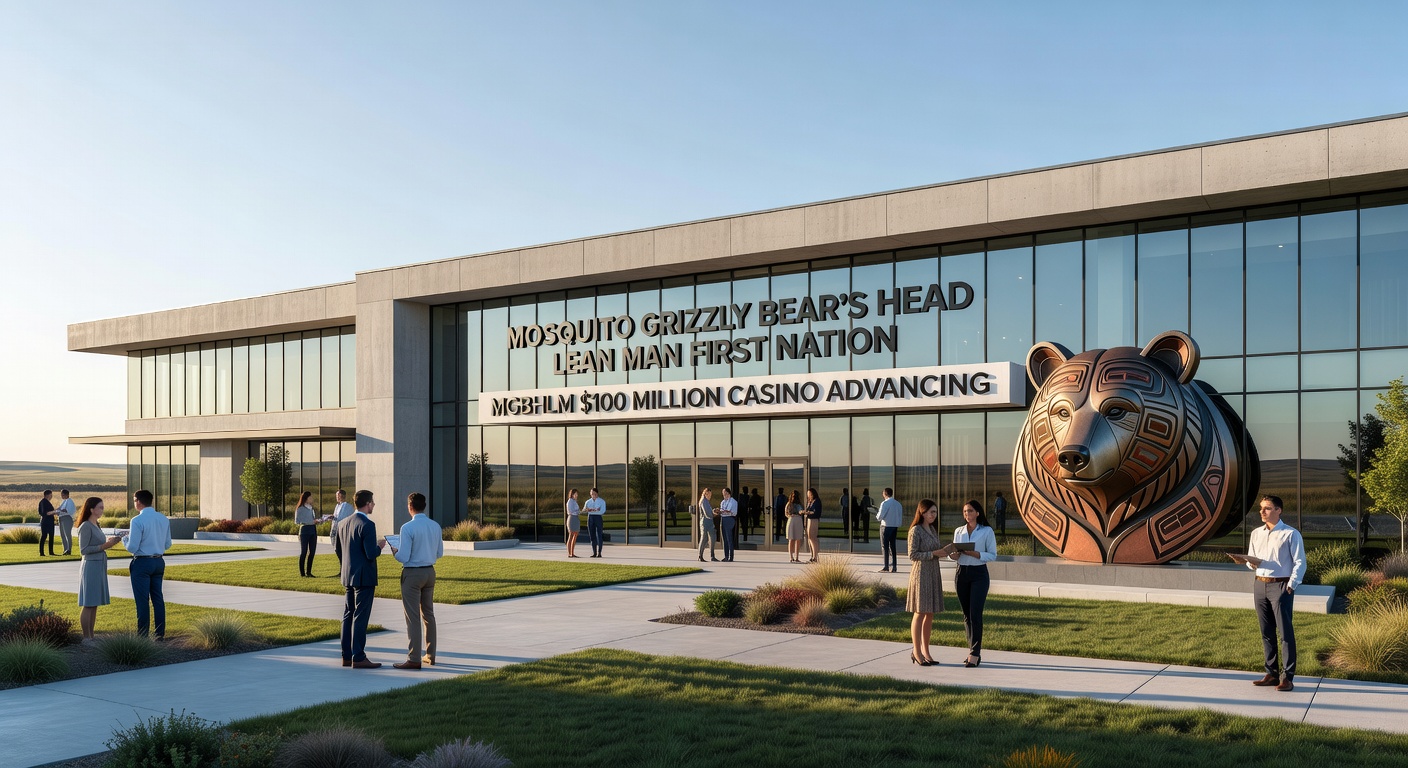
Mosquito Grizzly Bear’s Head Lean Man First Nation, often referred to as MGBHLM, moves ahead with its ambitious $100 million casino and resort initiative in North Battleford, Saskatchewan, Canada; this development relocates the existing Gold Eagle Casino to a sprawling 67-acre site along Highway 16 West, incorporating a brand-new hotel and convention center designed to draw crowds and stimulate local vitality. According to reports from World Casino Directory, the project promises to transform the area's economic landscape, building on the First Nation's longstanding commitment to self-sufficiency through gaming ventures. Observers note how such relocations often breathe new life into established operations, positioning them for expanded reach and modern amenities that align with contemporary traveler expectations.
What's interesting here is the strategic choice of Highway 16 West, a key thoroughfare that connects North Battleford to broader regional networks, making the site accessible for visitors from across Saskatchewan and beyond; this positioning not only facilitates logistics during construction but also sets the stage for seamless integration into tourism routes. Those familiar with Indigenous-led gaming projects in Canada point out that developments like this one reflect a pattern where First Nations leverage gaming revenues to fund community programs, a model that's gained traction since the 1990s.
Community Engagement Peaks at April 2026 Meeting
On April 14, 2026, stakeholders gathered for a pivotal community meeting where MGBHLM leaders shared detailed updates on the casino resort's progress, outlining timelines and benefits that have locals buzzing with anticipation; construction, slated to span three years, marks a significant milestone, with groundwork expected to ramp up soon after regulatory nods. Experts who've tracked similar builds in the province highlight how these public forums foster transparency, allowing residents to voice input while building support for ventures that promise lasting gains.
Attendees heard projections of over 350 jobs generated during the construction phase alone, followed by 400 permanent positions once the resort opens its doors, roles that span hospitality, gaming operations, maintenance, and administration; such figures underscore the scale, especially in a region where economic opportunities can shift the tide for families and businesses alike. And then there's the visitor forecast: an estimated 500,000 annual guests, a number that could supercharge tourism dollars flowing into North Battleford, from dining and entertainment to ancillary services along the highway corridor.
Unpacking the Development's Core Features
The 67-acre footprint allows for expansive facilities beyond just gaming tables and slots; planners envision a full-service hotel with comfortable accommodations tailored for leisure and business travelers, paired with a convention center equipped for events, conferences, and gatherings that could host thousands yearly. This holistic approach mirrors successful precedents in Saskatchewan's gaming scene, where integrated resorts have proven effective at diversifying revenue streams while minimizing reliance on any single sector.
Turns out, relocating the Gold Eagle Casino isn't merely a move—it's an upgrade, preserving the venue's legacy since its inception under MGBHLM stewardship while infusing it with contemporary designs that appeal to a new generation of patrons; data from provincial gaming reports indicate such expansions often lead to increased gross gaming revenue, benefiting both operators and host communities through shared agreements. Here's where it gets interesting: the project's alignment with Highway 16 positions it as a natural stopover, potentially capturing traffic from cross-country drivers and regional tourists heading to nearby attractions like Battlefords Provincial Park.
Economic Ripples and Job Creation Breakdown
During the three-year build, those 350 construction jobs will demand skilled tradespeople, engineers, and laborers, injecting immediate payroll into the local economy; post-completion, the 400 long-term roles offer stability, with opportunities in customer service, security, culinary arts, and management—positions that often come with training programs rooted in community needs. Figures like these, drawn from the April meeting disclosures, reveal a commitment to hiring locally, a practice that First Nations gaming initiatives have championed to ensure benefits circle back home.
But here's the thing: the 500,000 projected visitors annually don't just fill casino floors; they patronize nearby eateries, fuel up at stations, and book regional stays, creating multiplier effects that bolster North Battleford's tax base and infrastructure investments. Researchers studying Indigenous economic development in Canada, such as those affiliated with the Saskatchewan Liquor and Gaming Authority, have documented how casino resorts contribute to self-sufficiency, funding education, health services, and cultural preservation without straining public coffers.
One case that comes to mind involves other Saskatchewan First Nations who've spearheaded similar projects; take the Bear Claw Casino & Hotel, where job numbers and visitor influxes closely paralleled these estimates, leading to sustained growth over a decade. People who've analyzed these patterns often discover that tourism spikes not only from gaming enthusiasts but also from convention-goers and weekend escapees, turning quiet locales into vibrant hubs.
Key Figures Steering the Initiative
At the helm stands MGBHLM Chief Tanya Stone, whose leadership has propelled the project from concept to concrete plans, emphasizing community empowerment through economic diversification; alongside her, FSIN Chief Bobby Cameron represents broader First Nations interests, advocating for initiatives that uplift multiple bands across Saskatchewan. SIGA CEO Zane Hansen brings industry expertise, as the Saskatchewan Indian Gaming Authority oversees operations like the Gold Eagle, ensuring compliance and strategic alignment; and North Battleford Mayor Kelli Hawtin voices municipal support, highlighting synergies between the resort and city growth plans.
These leaders' involvement signals strong collaboration, a necessity for projects navigating regulatory landscapes and stakeholder buy-in; observers note how such partnerships have accelerated timelines in past developments, smoothing paths through permitting and funding phases. It's noteworthy that their presence at the April 14 meeting reinforced unity, with each addressing specific aspects—from cultural integration to infrastructure ties—that make the venture feasible.
Navigating Timelines and Regional Impacts
With construction eyeing a three-year horizon from late 2026, the resort could welcome guests by 2029, aligning with Saskatchewan's recovering tourism sector post-pandemic; this pacing allows for phased openings, perhaps starting with core casino expansions while hotel and convention spaces finalize. Those tracking provincial gaming trends point to steady demand, fueled by both locals and out-of-province visitors drawn to duty-free appeal and event programming.
Yet challenges like supply chain logistics or weather delays in prairie builds remain par for the course, though MGBHLM's experience with the current Gold Eagle site equips them well; the reality is, projects of this magnitude often exceed initial hype through meticulous planning, as evidenced by employment stats that hold firm year over year. And so, as Highway 16 West evolves, North Battleford stands to gain a landmark that redefines its profile on Saskatchewan's map.
Looking Ahead: A Catalyst for Self-Sufficiency
The Mosquito Grizzly Bear’s Head Lean Man First Nation's $100 million push not only relocates a casino but reimagines economic futures for its people and neighbors, with jobs, visitors, and infrastructure upgrades painting a picture of sustained prosperity; from the April 2026 meeting's revelations to the key players' endorsements, every detail underscores a venture grounded in community priorities. Data indicates these resorts deliver on promises, fostering tourism booms that ripple outward, ensuring that North Battleford—and Saskatchewan at large—reaps the rewards long into the future.