Live Streaming Advances Bring Virtual Poker Tables Closer to Physical Casino Dynamics
Written by Taylor Jung · Jul 22, 2026
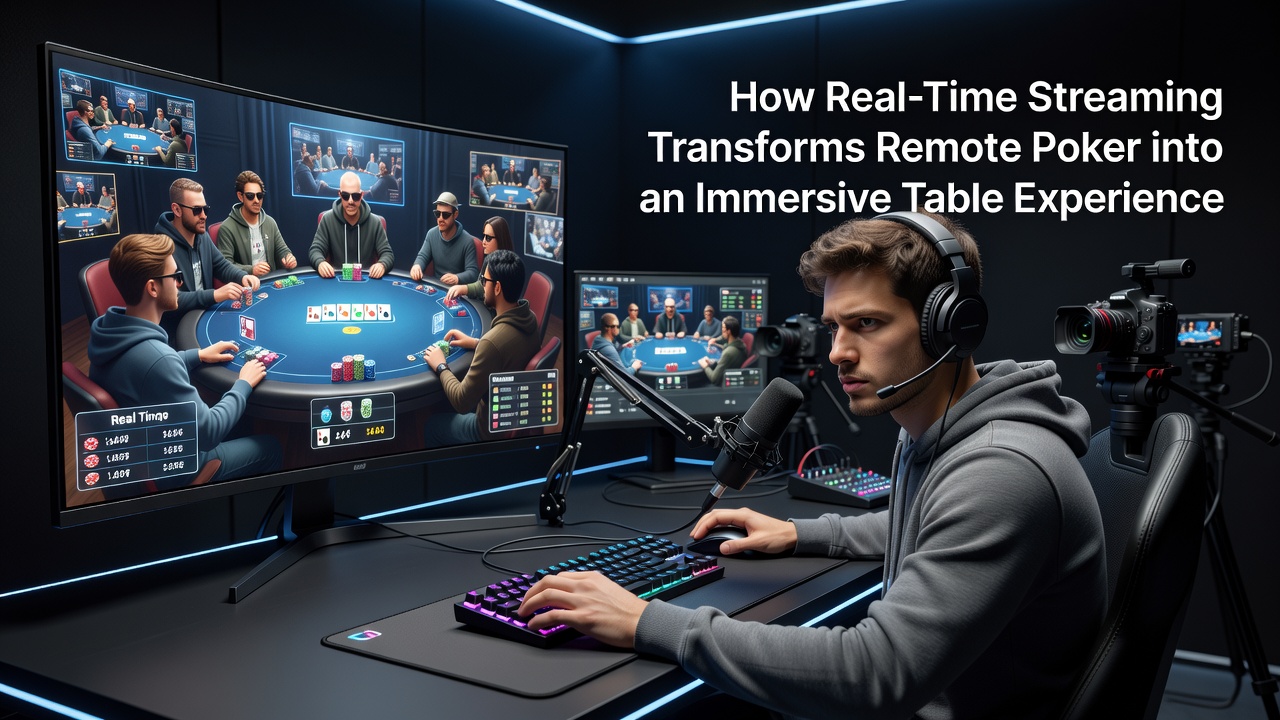
Live Streaming Advances Bring Virtual Poker Tables Closer to Physical Casino Dynamics
Camera Systems and Broadcast Infrastructure
Real-time streaming relies on arrays of high-definition cameras positioned around physical tables, and these setups capture every card deal, chip movement, and player gesture while feeding the footage directly into secure broadcast networks that reach remote participants. Multiple angles combine with overhead views to replicate the sightlines players encounter in brick-and-mortar rooms, and synchronization software ensures the video stream aligns precisely with the digital interface showing hole cards and community boards. Data indicates that latency reductions achieved through dedicated fiber connections and edge servers now keep delays under two seconds in most regulated markets, allowing participants to react in near synchrony with table events.
Lighting rigs and audio arrays further enhance clarity, whereas compression algorithms maintain quality across varying bandwidth conditions without introducing artifacts that obscure fine details such as tells or dealer actions. Industry reports from July 2026 noted continued upgrades to 4K resolution feeds in several North American and European jurisdictions, and these improvements have expanded accessibility for viewers using standard home connections.
Integration With Game Software and Player Interfaces
Streaming platforms merge visual feeds with backend poker engines so that each remote seat receives both the live video and synchronized data overlays, and this combination lets participants track pot sizes, bet histories, and time banks without shifting attention away from the table action. Developers have embedded chat modules and emoji reactions that appear alongside the stream, creating channels for table talk that mirror conversations heard in physical card rooms. Observers note that APIs connecting these systems allow operators to switch between different table views or isolate specific players upon request, and such flexibility keeps engagement levels consistent during longer sessions.
Security protocols encrypt both the video packets and the accompanying game data, while compliance frameworks from bodies such as the Malta Gaming Authority require regular audits of stream integrity to prevent tampering. Those frameworks also mandate clear separation between live footage and any promotional overlays, ensuring the core experience remains focused on gameplay.
Enhanced Social and Atmospheric Elements
Remote players gain access to ambient sounds captured from the table environment, including the shuffle of cards and background conversations, and these audio layers contribute to a sense of shared space that isolated screen interfaces previously lacked. Multi-table streaming lets users observe several games simultaneously through picture-in-picture arrangements, while single-table focus modes enlarge dealer and opponent views for closer study of betting patterns. Research conducted by the Australian Gambling Research Centre in 2025 highlighted measurable increases in session duration when such features were active, and operators have since incorporated similar tools across additional markets.
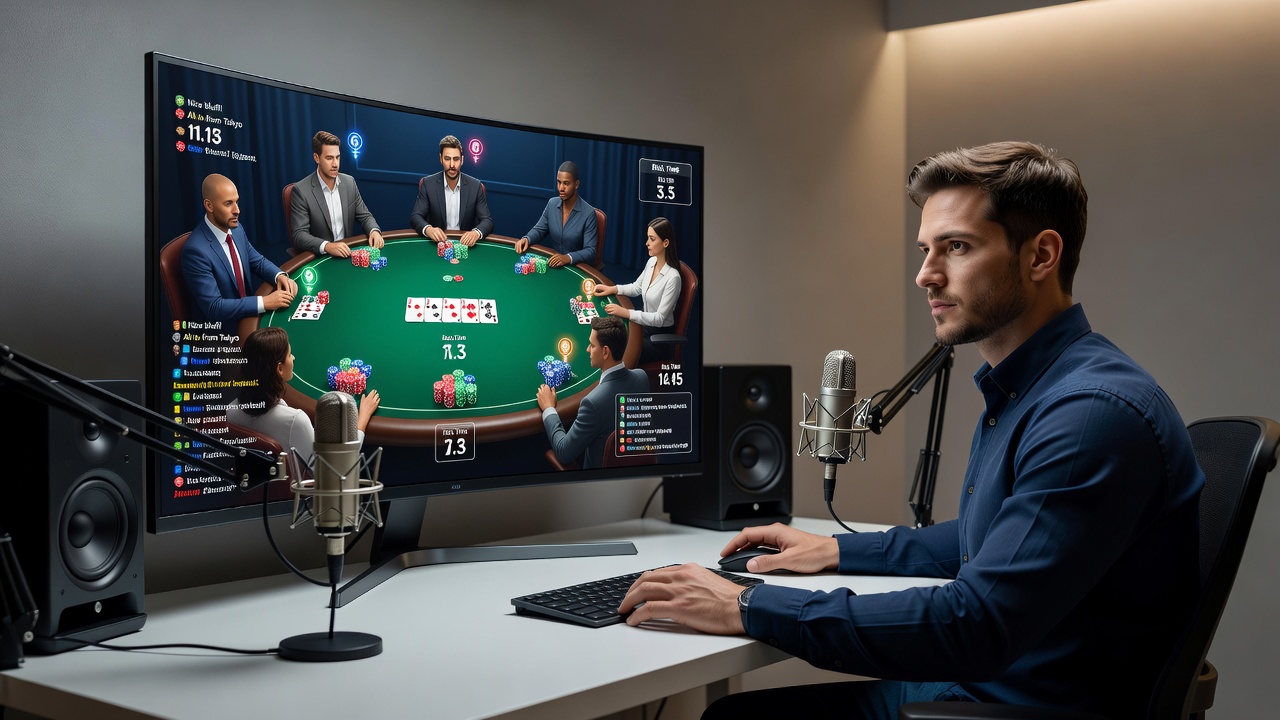
Dealer interactions occur through two-way audio in some deployments, allowing verbal confirmations of bets or rule clarifications that reduce misunderstandings common in text-only environments. Tournaments scheduled during peak hours often feature dedicated hosts who introduce players and summarize standings between hands, and these additions maintain momentum even when physical crowds are absent.
Technical Reliability and Regulatory Oversight
Redundant server clusters and automatic failover mechanisms protect against interruptions, and testing protocols run by independent laboratories verify that streams resume within seconds of any outage. Regulators in multiple Canadian provinces and several U.S. states require documented uptime metrics that exceed 99.5 percent annually, and operators publish these figures to demonstrate service consistency. Bandwidth optimization techniques adjust resolution dynamically based on connection quality, preventing freezes that could otherwise disrupt decision-making sequences.
Viewer authentication systems tie each stream session to verified accounts, and watermarking technology embedded in the video helps trace unauthorized recordings back to their source. These measures align with broader efforts to maintain game fairness across distributed player bases.
Future Developments and Market Trends
Emerging applications of augmented overlays may soon allow remote participants to highlight specific table regions or request instant replays of previous hands, and pilot programs tested in 2026 have shown positive feedback from both players and operators. Expansion into additional time zones continues through partnerships with studios located in different continents, thereby extending availability of live tables around the clock. Metrics collected by trade associations indicate steady growth in simultaneous viewers per table, reflecting sustained interest in the format.
Hardware improvements such as higher frame-rate cameras and lower-latency codecs are under active evaluation, and adoption timelines depend on infrastructure readiness in each jurisdiction. Continued collaboration between technology providers and regulatory agencies supports measured rollout of these enhancements.
Conclusion
Real-time streaming has integrated visual, auditory, and data elements into cohesive remote poker environments that parallel many aspects of in-person play, and ongoing refinements in camera technology, software integration, and regulatory compliance sustain this evolution. Market data from July 2026 and subsequent periods confirm expanding adoption across regulated regions, while technical safeguards preserve integrity and fairness. The combination of these factors continues to shape how distributed participants experience table poker without requiring physical presence at a single location.